
What makes protein powder hard to stick pack?
Protein powder is light, often full of entrained air and inclined to dust, and whey, collagen and plant proteins differ in how strongly they show each trait. Flavors, sweeteners and thickeners change flow again. Start from the actual blend and the full serving range rather than a stick width copied from another brand's package, and note how the user will take it: shaken in a bottle, stirred into a glass or mixed some other way.
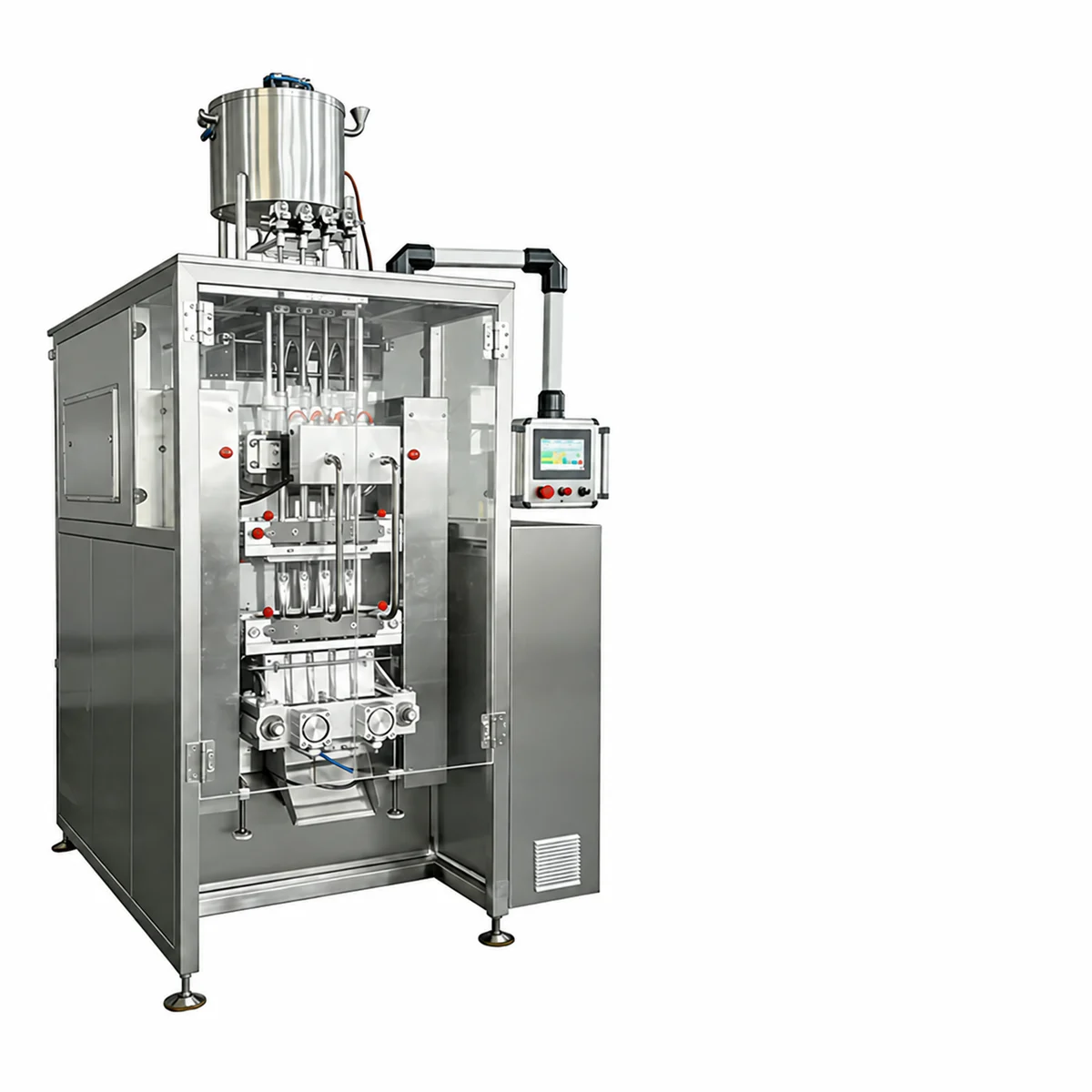
Our protein equipment materials describe multi-lane powder packaging with auger dosing, dust management and access for cleaning. Those are the right topics, but they still have to be connected to your blend and pack size. One protein formula running well in a demonstration says little about the lighter, stickier or dustier recipe that may follow it in the range.
How much pack volume does a protein serving need?
A protein serving needs more pack volume than its weight suggests, because low bulk density and trapped air make it bulky, especially straight after transfer. Measure the blend loose and after settling, and record how the sample was prepared. Dividing the fill weight by a measured bulk density gives a first estimate of volume, but it ignores seals, forming geometry and the headspace the dose needs to fall cleanly into the tube.
Draw a candidate pack with overall dimensions, seal bands and opening, and leave space for the dose to land without being pushed into the closing seal. Test the smallest and largest servings, since a middle size hides limits at both ends. If the largest serving will not fit a slim stick, consider a wider sachet openly rather than forcing every portion into the same narrow format.
Auger dosing and hopper feed for protein blends
Low-density protein blends dose most consistently when the auger and hopper are treated as one handling system. Freshly transferred, aerated powder can flush through a screw, then pack down and bridge as the hopper empties, so ask how the blend reaches each lane, how refills are made and whether agitation is proposed. Settings belong in a stored recipe, but a recipe cannot make up for an unsuitable screw or an irregular upstream supply.
Collect fill results separately from every lane at start-up, in steady running and on restart after a pause. Note any bridging, uneven feeding or drift that follows the hopper level. Those details explain why the fill changes instead of leaving the operator with an unexplained average weight. Confirm which parts and adjustments are needed when the next formula or serving is introduced.
Why does protein powder end up in the seal?
Protein powder reaches the seal in two ways: fine particles lift as the dose drops, or a bulky dose is still settling when the end seal closes. Both show up as weak, wrinkled or contaminated seals. Review the product drop, filling timing and the dust-extraction option on the reference configuration together, and ask where powder collects, how those areas are reached and what cleaning the operator does during a shift.
Inspect accepted and rejected packs from every lane, looking for powder in the seal bands, wrinkles and irregular cuts, and tie each sample to its operating conditions. Agree the seal checks for the finished pack. Trace a defect to feeding, dosing, film tracking or sealing before changing a setting; raising the jaw temperature is no substitute for finding the protein trapped in the seal.
Film, tear notch and cartoning for protein sticks
Give the machine team the film grade, layer structure, thickness and roll details together with the drawing, because the film has to run through the forming tube and also protect the product. Check the artwork position, code area and tear notch against the cut layout before ordering printed rolls; the powder reference configuration offers straight, zig-zag or round-corner cuts with an optional tear notch. Keep approved film and drawing revisions together so a purchasing change cannot quietly alter the process.
Open and empty filled samples into a shaker bottle the way a customer would. A stick can hold the serving and still leave a frustrating amount of powder in the corners. Check the carton or multipack too, including how sticks are counted and placed after discharge, and if packing is manual, judge the workload at the target output. The goal is a stick that fills, seals, packs and empties consistently.
Changeovers between whey and plant-protein recipes
A whey-to-plant changeover is an ingredient-separation question before it is a mechanical one. Plant protein is often sold to customers avoiding dairy, so milk-derived residue carrying over matters, and your quality team should set the separation rules before the line is configured. Review access to product-contact parts, ask which ones come off during the documented cleaning procedure, and decide whether dedicated or spare augers belong in the supply scope, clearly identified and stored.
Measure changeover as the work needed to reach accepted production with the next product, including assembly, setup and verification. A hopper or screw that lifts out easily does not validate a cleaning method; your team defines the procedure and release checks. Counting that time keeps capacity planning realistic when a production day runs several protein recipes rather than one long batch.
Evidence for a protein stick pack proposal
A protein proposal is only as good as the data behind it: formulation description, sample availability, serving range, candidate drawing and film specification, plus batch sizes, target accepted output and required changeovers. Include loose and settled bulk density for each recipe if you have measured them. Flag any dimension fixed by an existing retail format, and where a detail is still open, describe the intended use and the decision pending rather than filling the gap with an assumed machine capability.
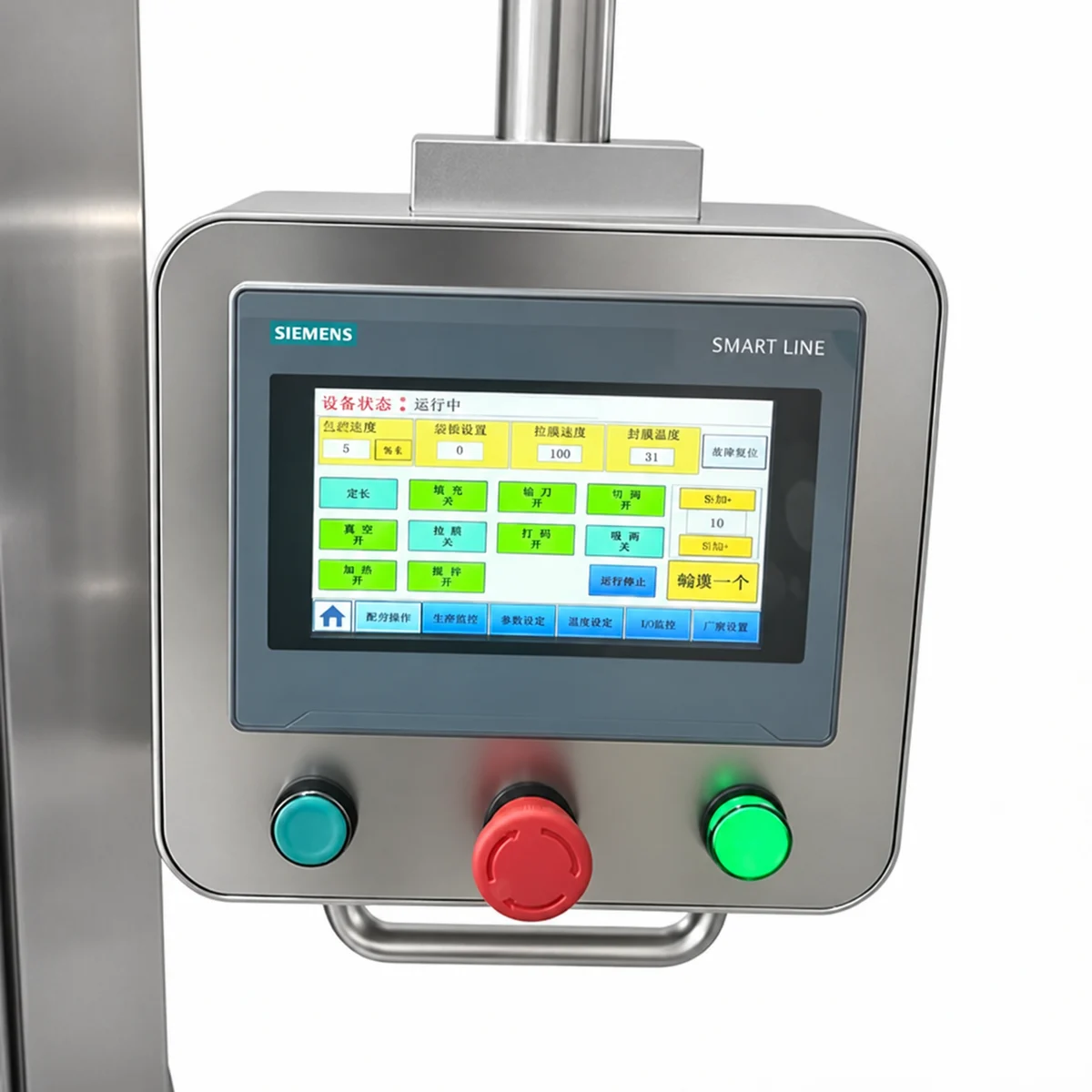
Agree the trial conditions and the record in advance: results by lane, fill behavior over time, seal and print checks, restart behavior and output over an agreed period. Ask for the parts list the rest of the range would need. Together these turn a broad request for protein packaging into a reviewable application with defined materials, acceptance criteria and operator tasks.
Which stick pack machine suits protein powder?
Protein powders start from the powder stick pack machine. Its typical four-lane reference configuration uses an independent auger per lane, covers about 1–20 g per stick and runs roughly 120–160 sticks per minute; around 30 g needs different auger tooling and a trial. Stick length is about 50–180 mm and width about 15–30 mm, set by the forming tube.
For protein, check volume before weight. A bulky serving can fill a stick at the wide end of that range well before it reaches the weight limit, and fine, dusty powders run toward the lower end of the output range. These are reference configuration figures: if your serving falls outside them or needs a wider sachet, the format and tooling are set in the project's own technical agreement and proven with your blend in a sample trial.
Common Questions
How wide should a protein powder stick pack be?
Wide enough for the settled volume of your largest serving plus seal allowances and headspace. The powder reference configuration makes sticks about 15–30 mm wide, set by the forming tube. Measure your blend loose and settled in candidate packs before fixing the width, because low-density protein fills a stick faster than its weight suggests.
What protein serving weight fits a powder stick pack machine?
The four-lane powder reference configuration covers about 1–20 g per stick, and around 30 g needs different auger tooling and its own trial. With protein, pack volume often becomes the limit before the auger does, so check the stick's width and length against your bulk density as well as the weight.
Why do protein stick packs show powder in the end seal?
Either dust lifts as the dose drops, or a bulky dose is still settling when the jaws close. Adjust filling timing and product drop, consider the dust-extraction option, and inspect seals from every lane. Raising the seal temperature does not remove protein trapped in the seal, so fix the cause before changing heat.
Can whey and plant protein run on the same stick pack machine?
Yes, if your quality team approves the separation and cleaning between them. Plant protein is often sold to customers avoiding dairy, so whey carryover matters. List shared and dedicated contact parts such as augers, time the full changeover to accepted production, and include spare dosing parts in the supply scope where needed.