
Why is there no fixed stick pack machine price?
A meaningful stick pack machine price exists only for a defined scope, because two machines sold under the same description can include different filling equipment, change parts and project services. The scope ties the machine to a product, dose, pack drawing, film and output target. Start with a written application brief so the quoted figure can be checked against the work the machine is expected to do.
This guide publishes no starting price. A catalogue figure for another configuration may leave out equipment or services your project needs. Use the cost categories below to ask for an itemized proposal, and say which requirements are fixed and which are still in development. The supplier can then flag its assumptions instead of quoting a provisional setup as if it were final.
Which cost drivers move a stick pack machine quotation most?
Lane count and the dosing system usually account for the largest differences between quotations, because together they set the size of the core machine and the filling hardware repeated on every lane. Contact-part materials and the number of pack formats tend to come next, followed by peripherals, services and delivery terms, although a large peripheral package such as automatic counting and cartoning can outweigh a change in lane count.
Read the order as a planning aid, not a calculation. It shows which decisions to fix first in a brief so suppliers quote the same configuration, and your own application can change the order. Adding lanes changes film width, frame and the number of dosing units at once, whereas moving product-contact parts from 304 to 316L stainless affects only the parts that touch product, which is why the two sit at different levels.
| Cost driver | Typical influence | Why it moves the quotation | What to specify |
|---|---|---|---|
| Lane count | Usually high | Sets frame size, film width and the number of fillers, sealing positions and cutters | Required accepted output and pack size |
| Dosing system | Usually high | Auger, pump or volumetric cup on each lane; heated or agitated product handling adds more | Product sample, dose range and flow behavior |
| Contact materials | Medium | Stainless grade and seal materials follow the product and cleaning method | Product chemistry, temperature and cleaning method |
| Pack formats and change parts | Medium | Each extra width, seal layout or cut style can need its own forming, sealing or cutting parts | Drawings for launch sizes and planned future sizes |
| Peripherals | Low to high | Feeding, coding, inspection, counting and cartoning may sit outside the base machine | Which items are buyer-supplied and which are quoted |
| Services and delivery | Low to medium | Sample trials, acceptance testing, training, installation, export packing and freight terms | Trial requirements, destination and trade terms |
Core machine and filling system scope
The core machine is the lane count, forming arrangement, sealing system and controls; the filling system is then chosen for the material and dose. Powder projects typically use an auger, liquids and gels a pump and nozzle arrangement, and granules a dosing method confirmed around particle size and flow. Each choice changes both the hardware supplied and the testing needed before the configuration is agreed.
Ask each quotation to name the proposed filling arrangement and where its supply stops. Check whether hoppers, product transfer, pumps, agitation or temperature control are included where they apply, and do not assume a feature described for one application is standard on another machine. You do not need every component fixed before the first conversation, only a clear enough link between material handling and quoted equipment for engineering and purchasing to review it together.
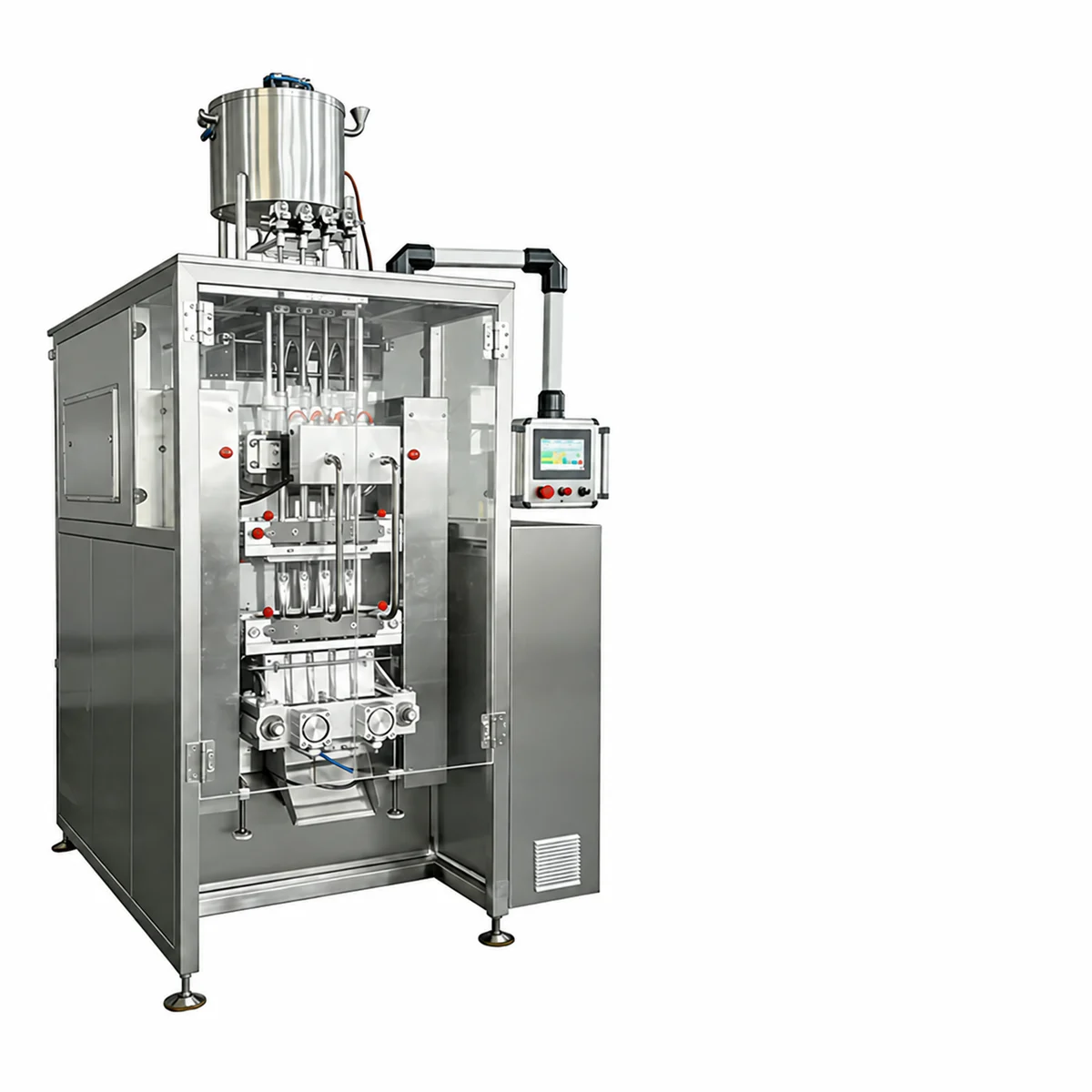
| Cost item | Check in each quotation |
|---|---|
| Core machine | Included dosing system, lanes and usable pack range |
| Change parts | Tools and forming parts for additional pack sizes |
| Product handling | Feeders, pumps, hoppers, heating or agitation |
| Quality and output handling | Coding, inspection, reject handling and discharge |
| Project services | Sample trials, acceptance test, training and installation |
| Delivery | Packing, freight, duties and agreed trade terms |
Pack sizes, film and change parts in the budget
Every additional pack width, seal layout or cut style can add forming, sealing or cutting parts, while a different dose may fit within the existing format. List each intended size and ask which parts are included at delivery. Keep launch sizes separate from possible future sizes, so optional tooling can be priced without blurring the confirmed scope.
Film belongs in the project budget too. Printed trial rolls, artwork revisions and film used during setup may sit outside the machine price. Confirm the roll specification with the machine supplier before placing a large print order, and if the project relies on a new film grade, allow for compatibility work and an agreed trial. A low machine quotation does not offset a pallet of printed film made to the wrong web layout.
Equipment outside the base machine quotation
Product feeding, batch preparation, code printing, inspection, reject handling, counting, conveying and secondary packing often fall outside the base quotation. Walk the process from product arrival to packed cartons and mark who supplies each step. When more than one supplier is involved, include the physical and control interfaces between machines in that list.
Define where responsibility changes hands. The packer may discharge loose sticks while another system counts them and loads cartons, and that transfer can limit practical output even when both machines meet their own specifications. Review floor layout, operator access and utilities together, so a missing conveyor, platform, air supply or integration task shows up in the budget rather than after delivery.
Further reading: Packaging World: stick pack collation and cartoning at PACK EXPO
Testing, training and service scope
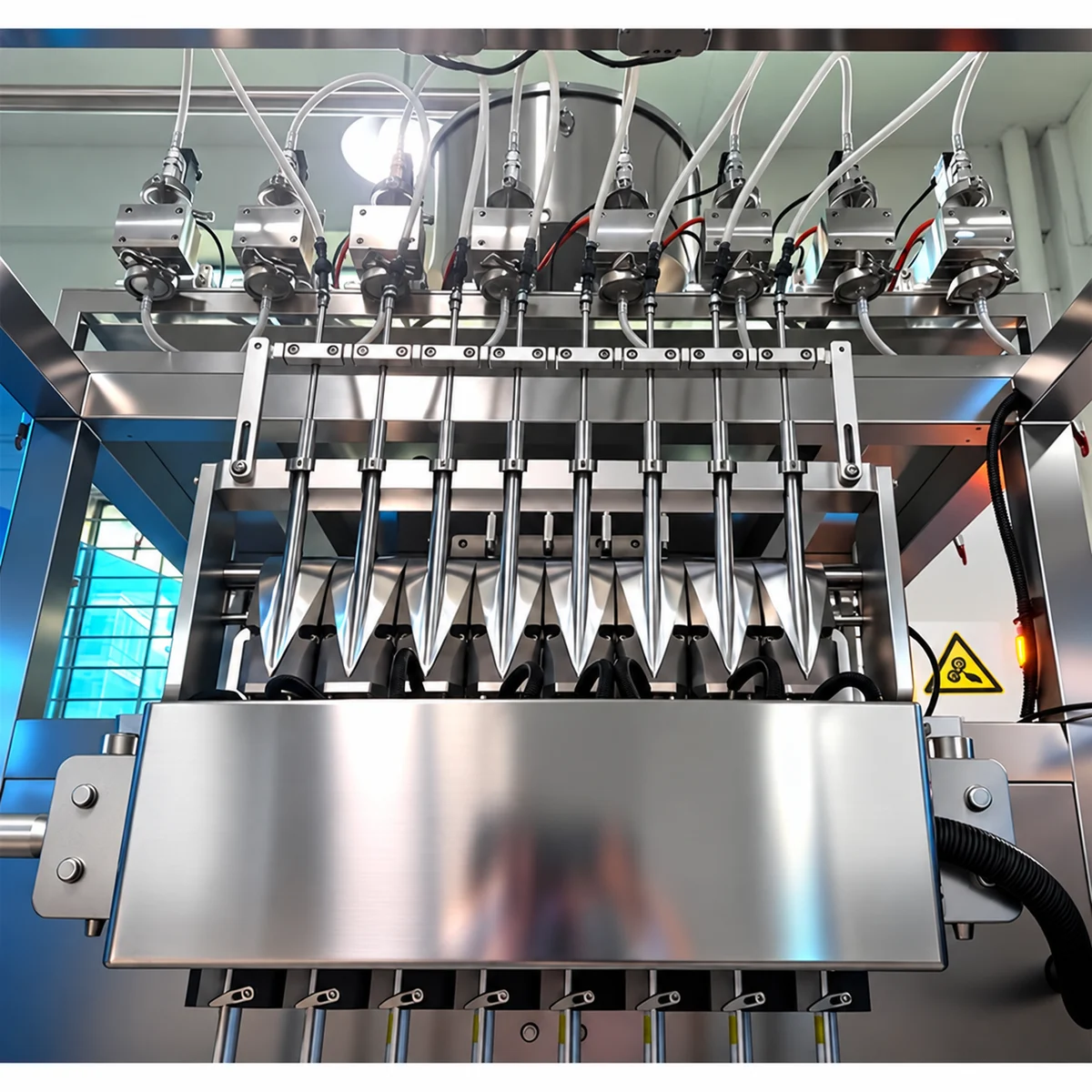
Sample trials and factory acceptance work need agreed materials, time and deliverables, so ask what the price covers and what would be a separate arrangement. Define who supplies product and film, how results are recorded and which configurations are tested. If several recipes or pack sizes matter, name them. A general promise that the machine will be tested may not cover the application work you have in mind.
Training and installation need the same clarity: delivery method, participants, location and each side's responsibilities. Request the documentation and spare-parts information needed for routine operation and maintenance. Do not read a response time or on-site attendance into a broad service description; the quotation and project documents should state the actual arrangements so offers can be compared on the same basis.
Further reading: OEM Magazine / PMMI: factory acceptance test planning guidance
Delivery terms and site preparation costs
Record the currency, quotation date, validity and agreed delivery terms on every offer you compare. Clarify export packing, freight, insurance and destination responsibilities with whoever handles the shipment, and note which costs stay with the buyer. Local taxes and import charges are outside this guide; get those figures from the people handling the destination and shipment.
Review site preparation before comparing totals. Confirm unloading and positioning access, floor space and the utilities the selected equipment needs, and identify plant work that must be finished before installation. Keep those tasks out of the equipment supplier's scope but inside the project budget. A machine can be ready to ship while the site is not ready to receive it, and the waiting costs never appear in a purchase-price comparison.
How do you compare operating cost between offers?
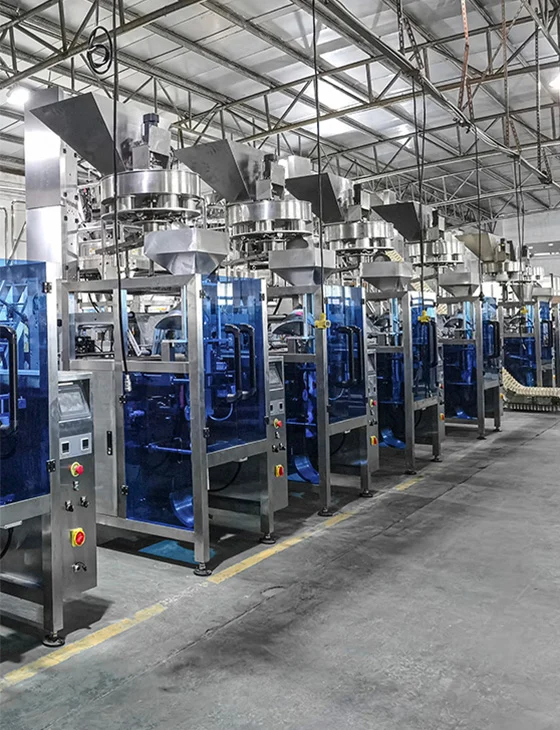
Compare operating cost on the same stated assumptions for every offer, because purchase price is only part of the decision. Staffing, film use, product loss, cleaning effort, consumables, spare parts and maintenance all feed into it. Build the comparison around your planned batches, using measured inputs or clearly labeled estimates. Nominal speed alone does not justify a payback claim: a faster cycle is worth little if feeding, changeovers or downstream handling cap accepted output.
A representative trial sharpens the assumptions. Record accepted packs, setup waste, stops and the tasks needed to restart, and compare alternatives over the same period with the same definitions. If one configuration needs more tooling but handles the planned range more easily, show that tradeoff instead of burying it in a single total. Production then has a say in the purchase, and purchasing can tell a lower price from a more complete solution.
Brief suppliers for comparable quotations
A comparable quotation starts with a shared brief: product description, sample availability, dose range, pack drawing, film specification and required accepted output. Add the planned batch pattern, number of formats, utilities, floor layout and destination, and the testing, documentation and training you need. Mark missing information as an open item rather than filling the gap with a guess.
Ask every supplier to answer that same brief with included equipment, options, exclusions and assumptions, and keep later scope changes visible in a revised comparison. The aim is a price you can explain: what equipment and work it covers, what sits outside it and what evidence supports the proposed performance. StickPackMachine builds to order, accepts single-machine orders and handles enquiries on WhatsApp through the request-a-quote page.
Common Questions
Can I get an exact price from a machine photograph?
No. A photograph can suggest the machine family, but it does not show the dosing system, contact materials, change parts or services behind the price. A firm quotation needs your product, pack drawing, output target and delivery scope in writing, ideally in the same brief you send to every supplier.
Are shipping and installation included in a stick pack machine price?
Only when the quotation says so. Export packing, freight, insurance, installation and training are often separate line items or excluded. Ask for an itemized scope and the agreed trade terms, and list site work such as utilities and unloading in your own budget so nothing is assumed.
Why do two quotations for the same lane count differ?
Because lane count is only one driver. The dosing system, contact materials, number of pack formats, peripherals and testing scope can all differ between offers that share a lane count. Compare them line by line against one written brief, and ask each supplier to list exclusions.
What makes a cheaper quotation cost more later?
Items left out of scope: change parts for a second pack size, feeding or cartoning equipment, printed film that does not run on the machine, unplanned site work, or trials and training that were never included. Comparing offers against one brief with listed exclusions keeps a lower figure from simply meaning a smaller scope.