
What does a stick pack machine FAT need to prove?
A FAT needs to prove that the supplied machine meets the agreed configuration and application, with results the buyer can check rather than simply watch. It links the purchase requirements to observable results; a short video of the machine running is useful evidence, but it is not an acceptance record. Settle the scope, test conditions, responsibilities and decision rules before the visit or remote session takes place.
Keep the factory test separate from later site commissioning and product-quality work, because utilities, upstream feeding and downstream equipment may differ at the final production location. Decide which functions can be demonstrated at the factory and which must be verified after installation. That way an untested integration is never treated as accepted, and the factory session is not held up by requirements outside the agreed scope. Put open items on a written list with an owner and a proposed verification step.
Further reading: OEM Magazine / PMMI: factory acceptance test planning guidance
Stick pack machine FAT checklist at a glance
The table summarizes the acceptance items in the order they are usually reviewed: what to check, what to record and the pass evidence both sides should agree before the test begins. Circulate it before the session as the shared agenda, and add any project-specific items from the order so nothing is argued about for the first time on the factory floor.
| Check | What to record | Pass evidence to agree beforehand |
|---|---|---|
| Product and film match the order | Batch, dose range, film grade, roll dimensions, artwork revision | Written product and film specification agreed before the test |
| Machine configuration matches the quotation | Lane arrangement, filling system, forming, sealing, cutting and discharge options fitted | Signed configuration list compared against the order |
| Filling results by lane | Target dose, measurement method, results for every lane and after restart | Acceptance limits agreed with the supplier before the test |
| Seal and cut quality | Seal appearance, integrity-check method used, cut registration, pack opening | Agreed integrity-check method and sample retention plan |
| Run duration and output | Elapsed time, active running time, accepted packs, rejects, stop reasons | Defined run duration and accepted-output target set in advance |
| Documentation and handover | Manuals, drawings, parts lists, training record supplied | Document checklist agreed and signed at handover |
Representative product and film for the test
Use the formulation the machine will actually run, and record its product name, batch, dose range and handling conditions. For powders, note flow, dust and settling behavior; for liquids or gels, note viscosity, temperature and particles. Agree the sample quantity with the supplier so it covers setup, sustained running and repeat checks, and settle how unused material will be handled before you ship it.
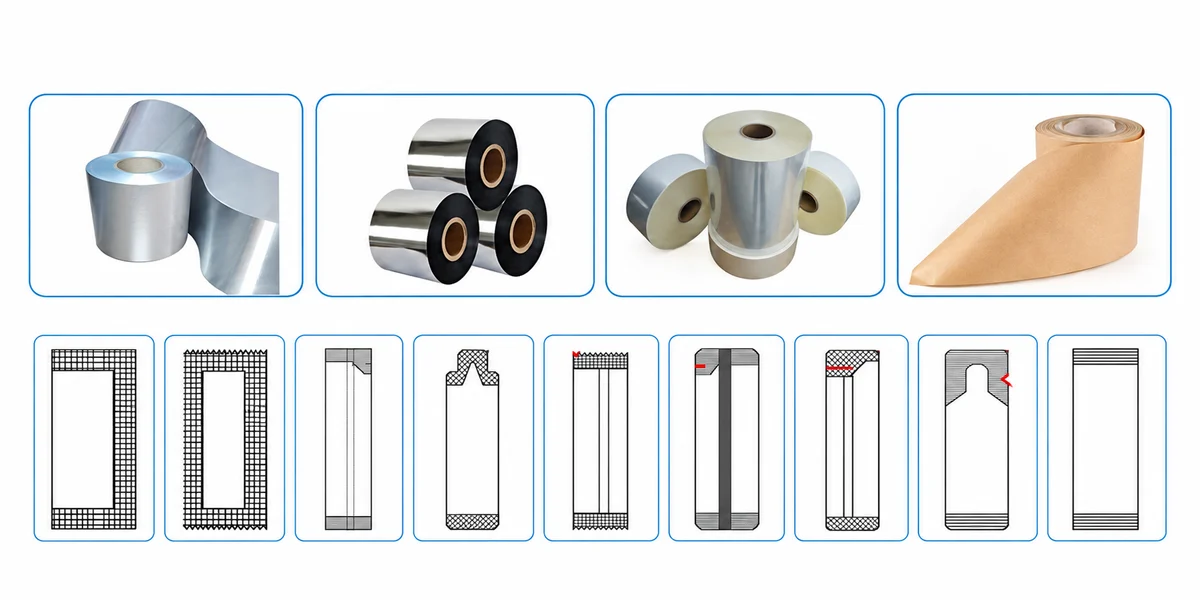
Supply the intended production film where practical, with its grade, roll dimensions, artwork revision and approved pack drawing. If substitute film is used, label the test accordingly and list the compatibility work still open. Put product and film identifiers on every test sheet and sample label; without them, a later gap between factory and production results is hard to trace, because nobody can show whether the same materials were used.
Does the supplied machine match the order?
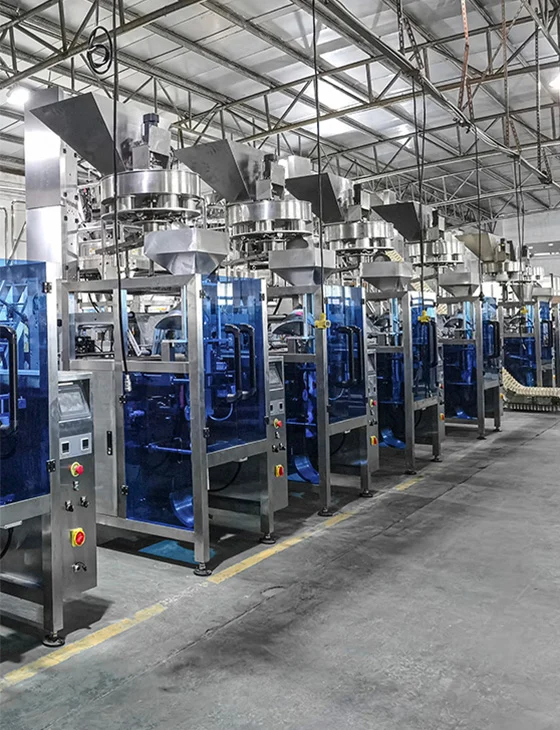
Answer this by walking through the machine and its option list with the supplier. Confirm the lane arrangement, filling system, forming parts, sealing configuration, cutting features and included discharge equipment, then any ordered coding, inspection or product-feeding items. Photograph nameplates and other identification, and record every difference from the approved scope. An option shown in a catalogue photo is not proof that it is fitted to the machine in front of you.
Review access for operation, cleaning and maintenance with the people who will do those jobs. Ask the supplier to demonstrate the agreed guards, interlocks, alarms and normal stopping procedures under their approved test process, run by competent personnel following the equipment instructions. The buyer's role is to confirm agreed behavior and documentation, never to bypass protective systems for a better view of the mechanism.
How is filling measured during the FAT?
Filling is measured lane by lane and over time, never from one combined sample. Agree in advance how samples are selected, measured and recorded, and keep each active lane's results separate, because an average can hide a lane that runs persistently high or low. Take samples during steady running and after a restart, and write down the target dose, measurement method and the acceptance limits agreed for the project rather than quoting a catalogue accuracy figure.
When an adjustment is needed, document the change and repeat the affected check. Note whether material supply, hopper level or product temperature changed during the run, since these explain variation that a single sample would miss. Keep the original results next to the repeat results so the report shows both the issue and its resolution. That gives operators a useful baseline and stops a hand-picked group of good packs from standing in for the full outcome.

Pack formation, sealing and cutting checks
Inspect packs from every lane for dimensions, artwork registration, seal appearance and cut position. Look for product in the seal area, wrinkles, damaged edges and opening features that differ from the drawing, and note the film and settings used for each sample group. Review powder handling and liquid shutoff wherever they affect closure, since a sealing defect can start at the filler.
Agree with your product and packaging team which integrity checks apply and how results will be judged; the method should fit the package and application, and this guide does not prescribe one. Retain approved samples and examples of any recurring defect. A photograph records appearance but not every functional property of a sealed pack, so label visual evidence and measured checks separately in the report.
| Area | Suggested discussion points |
|---|---|
| Filling | Weight variation across lanes and after restart |
| Sealing | Appearance, contamination and agreed integrity checks |
| Pack handling | Registration, cutting, discharge and rejects |
| Operation | Recipe setup, stops, alarms and operator access |
| Changeover | Required parts, cleaning access and restart checks |
Run duration, accepted output and changeover
Set the run duration and accepted-output target before the test starts. Record total elapsed time, active running time, accepted packs, rejected packs and the reason for each stop, and state whether replenishment and roll changes fall inside the run, so the report cannot present the fastest short interval as the whole session. Keep units consistent so machine cycles are never confused with finished packs.
Include restart behavior and the routine tasks that matter to your production schedule. If a format or recipe change is in scope, have the supplier demonstrate the agreed change parts, adjustments and first-pack checks. Watch the discharge and any included counting or conveying equipment as well: a machine that runs well while packs pile up in an uncontrolled heap has not demonstrated the required line output. The test should reflect the supply boundary and operating work agreed for the project.
Cleaning, training and handover documents
Ask for a demonstration of the documented access and removal procedure for the relevant product-contact parts. Confirm the cleaning approach with your production and quality teams, particularly where different formulations or allergens will share the machine, and record which instructions, tools and spare parts are supplied for it. Being able to dismantle a part is not the same as having a validated cleaning process.
Go through the handover documents before closing the session: operating instructions, electrical or pneumatic drawings, parts lists, maintenance information and the agreed training record. Check that they match the supplied configuration and that the people who will use them can follow them. List missing items explicitly, each with a delivery date and a responsible person. Documents are easiest to correct while the supplier and machine are still in the same room, not after the crate has arrived at your plant.
Closing the FAT: results, deviations and next actions
Close by marking each agreed acceptance item as completed, requiring correction or awaiting later verification, with the measurements, photos and videos behind it attached. For each deviation, record the action, owner and repeat-check method, and if acceptance is conditional, state the condition in writing. A signed summary without supporting observations is worth far less than a short report that ties each conclusion to a test result.
File the approved report with the quotation, configuration list, product specification and film drawing; it becomes the starting point for installation planning and site checks. StickPackMachine can discuss the test scope, including a remote review where appropriate, once your application and configuration are defined. The goal is one shared record of what the machine demonstrated, under which conditions, and what is still to be done before a controlled production handover.
Common Questions
Why run a factory acceptance test before the machine ships?
Testing before dispatch lets you find deviations while the machine, the builder's engineers and the parts are still in one place, and agree corrections before crating. It also produces a baseline report that installation and site checks can later be compared against, instead of discovering configuration gaps at your own plant.
What product and film should I send for a stick pack machine FAT?
Send the real formulation in a quantity agreed with the supplier, labeled with batch and dose range, plus rolls of the intended production film with grade, roll dimensions and artwork revision. If you have to use a substitute product or film, say so on the test sheets so later differences can be traced.
What should a FAT report include?
It should list every acceptance item with its status: completed, needing correction or awaiting site verification. Each status needs the evidence behind it, such as lane-by-lane fill results, seal checks, run records and photos, plus an owner and repeat-check method for every deviation. A signature alone does not make a useful report.
Is a factory acceptance test the same as site commissioning?
No. The factory test checks the machine against the agreed configuration before dispatch, while site commissioning verifies performance with the final utilities, upstream feeding and downstream equipment at the buyer's plant. Identify at the FAT which functions still need verification after installation.
Who should attend a stick pack machine FAT?
Send the people who will own the machine afterward: someone from production to judge operation and changeover, someone from quality to agree sampling and seal checks, and someone from maintenance to review access, spare parts and drawings. If travel is not practical, ask StickPackMachine about a remote review of the agreed test items.