
Which supplement powders suit stick pack filling?
Collagen peptides, powdered drinks, fiber mixtures and other portioned supplement blends all suit stick packs, provided the filler is chosen for how the powder actually behaves. A category name reveals little: two collagen products can differ in particle size, cohesion and the way they settle. Send a representative sample with a material description that flags anything affecting moisture pickup, dust or flow, and say whether the user stirs the powder into a drink or takes it another way.
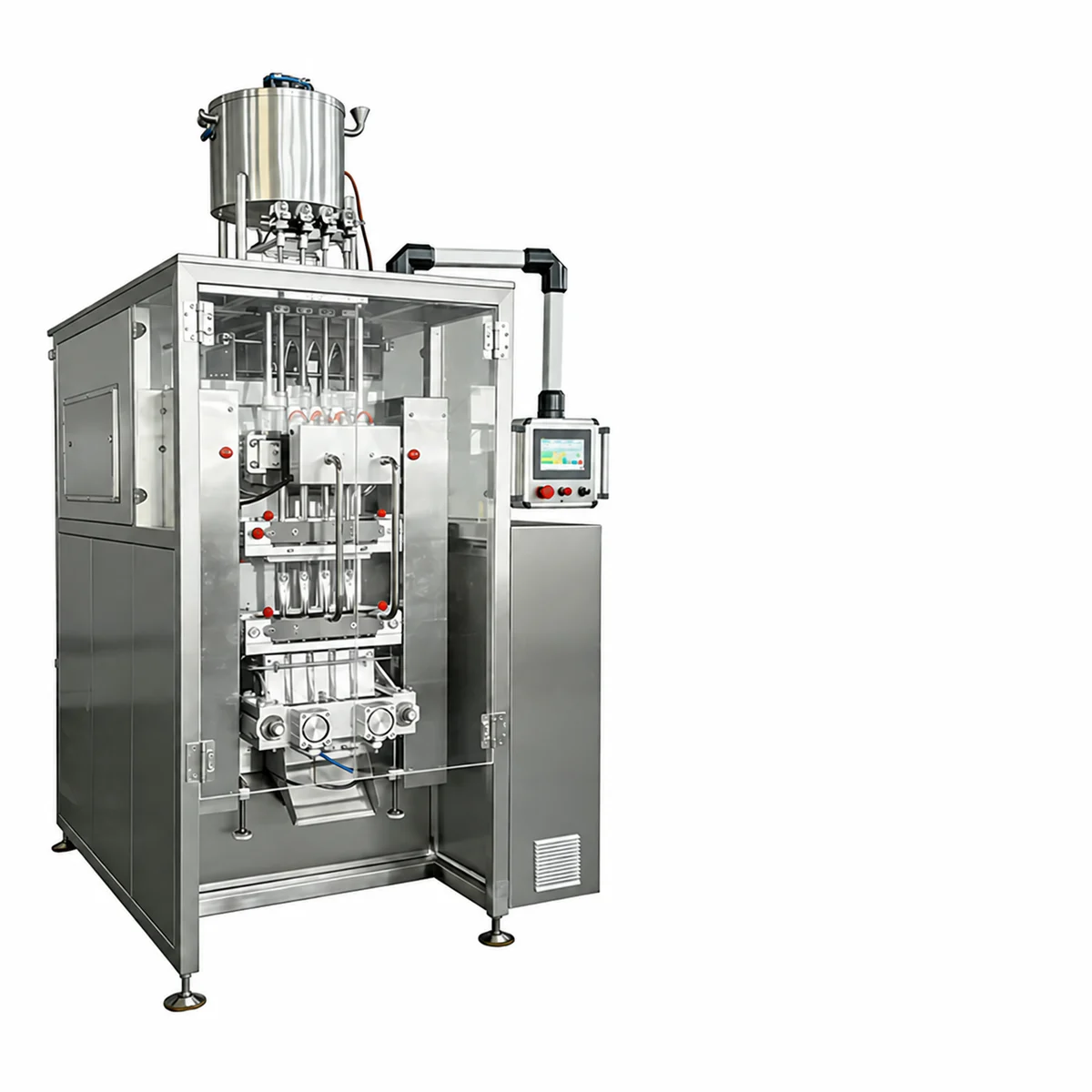
The company's equipment materials include multi-lane powder configurations and collagen applications using auger dosing. That places nutritional powders in a known machine family without proving that one setup fits every formula. Liquid supplements take a different route through pumps and nozzles on the liquid stick pack machine, and keeping that split clear lets the first technical discussion focus on your actual product.
Portion weight versus ingredient content
The stick pack machine delivers a portion of whatever blend it is given; it does not make that blend uniform. A premix of actives and a carrier powder contains particles of different size and density, and those can separate in transit or in the hopper. Describe how the material arrives, whether in bags, bins or through a transfer system, and any handling restrictions, so upstream blending and the filler are judged separately.
Agree the target portion and acceptance criteria with your quality team, then collect results by lane across the agreed test period. A correct average weight does not show that every ingredient is evenly distributed; content and release testing stay in your own quality process. Drawing that line makes the equipment acceptance terms precise without making the packaging machine responsible for formulation performance.
How small a dose can a nutraceutical stick hold?
The powder reference configuration reaches down to about 1 g per stick, which covers small supplement servings, but the low end of an auger's range is where lane-to-lane differences show most. A screw sized for larger servings delivers a small dose in a fraction of a turn and becomes sensitive to changes in powder density and hopper level. Ask which screw is proposed for your smallest serving, what happens as the hopper level falls, and how the operator verifies the setup after an adjustment.
Watch the powder at start-up, in steady running and after a pause, and record bridging, uneven feeding or build-up near the forming tube and seal jaws. If several formulas will share the line, identify the most difficult one and test that rather than an easy-flowing substitute. The configuration to choose is the one backed by representative samples and a clear record of the parts and settings used.
Stick size for a supplement serving
Build the pack from the serving's filled volume, seal allowances and opening rather than from another brand's packet. Nutritional blends of the same weight can occupy very different volumes; a light, fluffy powder needs far more space than a dense one. Put the real formula into candidate packs, let the equipment team review the forming and filling geometry against the powder reference width of about 15–30 mm, and mark which dimensions are fixed and which can still change.
Then use the sample the way a customer would: tear it, pour it into the intended bottle or glass and see how much powder stays inside. Include the retail carton or multipack where it limits the size. Leave room on the film for seals, the cut position and the required label text, and file the approved drawing with the approved sample so any later change to serving, formula or film can be checked against the original decision.
Film and moisture protection for supplement powders
Moisture-sensitive supplement powders need two kinds of protection: a film with enough barrier for the finished product, and a filling process that limits the powder's exposure to room air before sealing. Blends that absorb moisture can cake in the hopper, bridge over the auger inlet and stick to the forming tube, so ask how long product sits in an open hopper and agree the room conditions your team will hold. Specify the film by layer structure, thickness and roll dimensions rather than as high barrier, trial the production grade and keep its supplier code with the record.
Where a controlled atmosphere is proposed, identify the configuration and the checks that will assess it. An equipment option is a process feature, not evidence of product efficacy, shelf life or regulatory approval; those need their own product and packaging evidence. The machine trial documents dosing, forming, sealing and handling under defined conditions, which is useful process information as long as it is not stretched beyond what was demonstrated.
Cleaning between supplement formulas
Cleaning between formulas starts with a list: which recipes share the machine, and which need dedicated contact parts or separation because of an allergen, an active ingredient or a customer requirement. Review access to the hopper, auger, forming tube and discharge, and ask the supplier to demonstrate the documented removal and reassembly procedure. Confirm which tools, spares and instructions are included, and where removed parts will be cleaned in your plant.
Stainless steel construction and easy access do not prove that a cleaning method works. Your team defines the procedure and release checks, including the transition from one formula to the next, and records the tasks needed to return to accepted production. Changeover then becomes a measured part of the operating plan rather than dead time between two headline machine speeds.
Preparing a nutraceutical trial and proposal
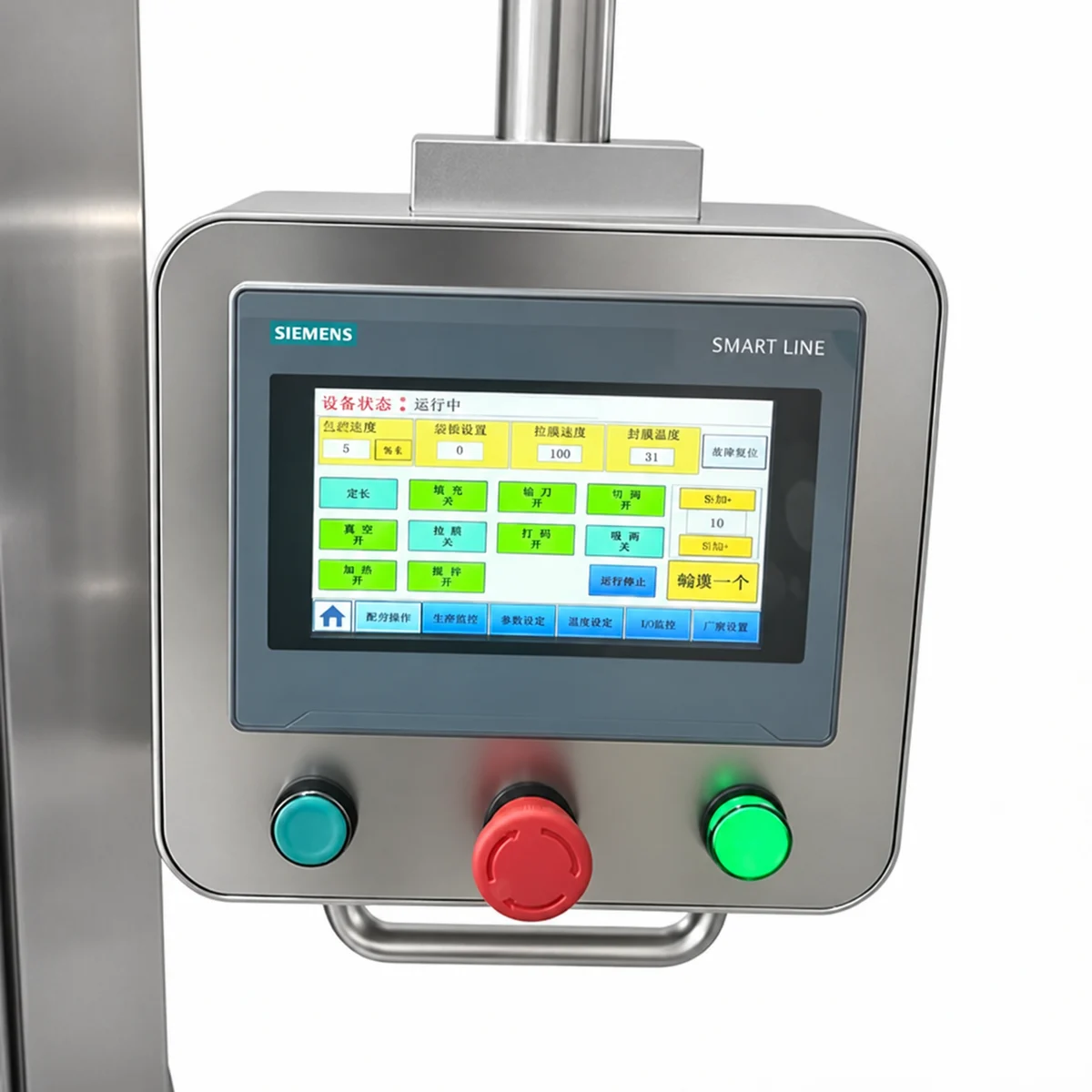
Before a trial, send the formulation description, the quantity of sample available, the portion range, a pack drawing, film details and the required accepted output, plus batch pattern, number of recipes and cleaning requirements. Mark provisional items as open questions. For supplements, the smallest dose and the most moisture-sensitive formula are the two worth testing first, because they expose the limits of the proposed setup.
Agree the fill samples, seal checks, running period and records in advance, and link every result to the product batch, film and configuration used. Ask for a list of extra parts or options the rest of the range would need. That record gives purchasing, production and quality one shared basis for reviewing the proposed powder packaging process and the quotation that follows.
Which stick pack machine suits nutraceutical powders?
Collagen, fiber and powdered drink blends start from the powder stick pack machine. In its typical four-lane reference configuration each lane has its own auger, the fill range is about 1–20 g per stick and output is roughly 120–160 sticks per minute; around 30 g needs different auger tooling and a trial. Product-contact parts in the reference build are 304/316L stainless steel, with dust extraction and nitrogen flushing listed as options.
Use those numbers as a reference configuration for comparison, not as a promise for your formula. Fine, sticky or dusty powders run toward the lower end of the output range, and a dose near the bottom of the fill range deserves its own lane-by-lane check. If a fiber or drink blend is granulated rather than powdered, compare the granule stick pack machine, which doses with volumetric cups or vibratory feeding. The configuration supplied is confirmed in the quotation and verified during factory acceptance testing.
Common Questions
Can a stick pack machine fill a 1 g supplement dose?
Yes, the four-lane powder reference configuration covers fills from about 1 g per stick. Small doses are the most sensitive to screw size, powder density and hopper level, so ask which auger is proposed for your smallest serving and check fill weights lane by lane during the sample trial before accepting the setup.
How do moisture-sensitive supplement powders affect stick packing?
Powders that absorb moisture can cake in the hopper, bridge over the auger and cling to the forming tube, which shows up as uneven fills and dirty seals. Limit how long product sits exposed, agree the room conditions with your production team, and choose a film with enough barrier for the finished product before the trial.
Does stick fill weight prove the ingredient content of each serving?
No. Fill weight shows the auger delivered the target portion, not that each ingredient is evenly distributed. Blend uniformity depends on upstream mixing and handling, so content and release testing remain part of your own quality process alongside the lane-by-lane weight results from the trial.
Can collagen and fiber blends share one nutraceutical line?
They can if they fit a compatible dose range, film and set of contact parts, and your quality team approves the cleaning between them. List every formula, flag any that need dedicated parts or separation, and time the full changeover to accepted production during the trial instead of assuming a quick swap.