
Translate the blend into a machine brief
An electrolyte powder project starts with the blend, not with a machine speed. Here, electrolyte powder means a dry drink formulation containing mineral salts, with the exact ingredients defined by your product specification. Fine powders, agglomerated mixes and blends with visible crystals need separate handling assessments. A familiar serving size or retail pack does not establish how the material will feed into the proposed filler.
Give the equipment team the production formulation or an agreed material specification, its physical form and the intended dose. Identify the sample batch and any storage or handling restrictions. Where disclosure needs to be limited, agree what information and sample access the trial needs before shipping. A plain product name leaves the team guessing about the portion volume, flow and cleaning requirements.
This page is for producers buying filling and sealing equipment for dry electrolyte blends. It turns moisture exposure, contact materials and powder handling into questions to resolve before ordering. Use the powder machine page for the reference equipment route and the wider application overview to compare other product forms. Consumer hydration advice and formulation development are outside this equipment brief.
Keep the package decision alongside the product brief. Record the intended finished width, length and opening, together with the target net mass and how bulk density was measured. The same mass can occupy a different volume in another blend. Check the actual sample against the proposed drawing rather than scaling a stick from a photograph.
Related reading: Powder Stick Pack Machine: Auger Dosing; Stick Pack Machine Applications; Stick Pack Sizes & Dimensions Guide
Check moisture exposure before changing the filler
Treat moisture sensitivity as a property to establish for your blend. Some powders clump after exposure to humidity; that does not establish a common humidity limit for all electrolyte products. Ask the ingredient or formulation supplier for the relevant storage conditions, and record any caking already seen between opening the bulk container and finishing a batch. Keep the observation tied to a batch and handling history.
Separate loose powder arriving at the hopper from material that has already formed lumps. If a sample is altered during storage or transport, a dosing adjustment alone will not explain the result. Ask the trial team to note the condition on arrival and after the agreed waiting period. Describe whether lumps are present before feeding, appear during a pause or remain on a contact surface after emptying.
For a moisture-sensitive formulation, include the open-container period, transfer arrangement and planned hopper hold in the trial brief. Record room temperature and relative humidity where those measurements are available. The useful question is whether the sample behaves acceptably under the proposed production conditions. Do not introduce a universal dehumidification setpoint without the formulation supplier's limits and a project review.
Discuss covered transfer, controlled exposure or conditioned air when the observations justify them, and identify who supplies and controls each measure. A closed hopper is a configuration item to review, not proof that the full powder path has controlled humidity. Include pauses and replenishment in the agreed check so a short uninterrupted demonstration does not conceal the condition you need to evaluate.
Related reading: Stick Pack Machine Sample Testing
Scroll horizontally to see all columns. Keyboard: focus the table and use the arrow keys.
| Handling point | Input to record | Question for the trial |
|---|---|---|
| Bulk container opened | Batch, storage history and supplier handling limits | Is the incoming sample representative? |
| Transfer and hopper hold | Exposure period, room conditions and transfer method | Does flow change before dosing? |
| Pause and restart | Observed lumps or deposits and restart sequence | Does the filler restart without an unexplained change? |
| After emptying | Location and condition of remaining product | What access and cleaning are needed? |
Choose dosing from flow, not the electrolyte label
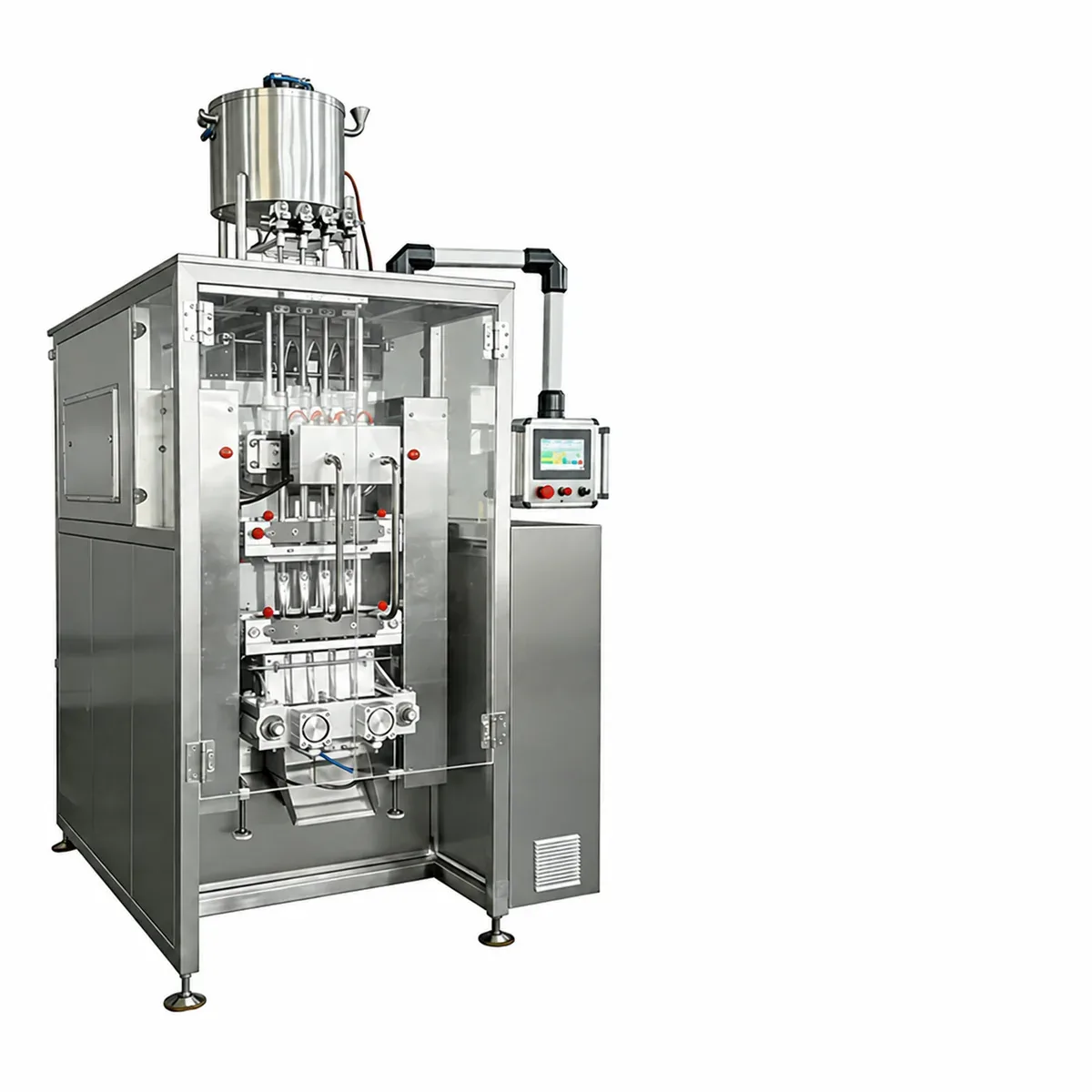
Use the sample's flow and particle form to choose the first dosing route to evaluate. The published powder reference configuration uses an auger on each lane. An auger is a rotating screw that meters powder into the filling path; it is a candidate for fine or poorly flowing blends. A free-flowing granulated drink mix warrants a separate review of the granule dosing route instead of assuming that every electrolyte product needs the same screw arrangement.
An auger setting is not a direct measurement of the finished net mass. Changes in bulk density or how fully the screw is supplied can change the fill mass at the same setting. Confirm fill weights with the actual blend and record the settings used. Review results by lane and by operating condition, including after a refill and a planned stop. Averaging every pack together can hide a lane that needs attention or a change linked to the feed condition.
Ask how material reaches each dosing unit and what happens as the hopper level changes. If bridging is observed, describe it as material spanning the outlet and interrupting supply, then review the proposed feeding or agitation arrangement. Ask whether the blend shows visible separation during handling; product composition checks belong with the buyer's quality team. A satisfactory pack weight alone does not establish ingredient uniformity.
Compare lane count only after the proposed dose, pack and feed arrangement are clear. The target is accepted output under the agreed conditions, with rejects and stops recorded separately. Explain the batch schedule and refill method so the equipment discussion covers sustained use. Use the single-lane and multi-lane guide for that production decision rather than treating a catalog cycle rate as an electrolyte trial result.
Related reading: Granule Stick Pack Machine: Drink Mixes; Single vs Multi-Lane Stick Pack Machines
Scroll horizontally to see all columns. Keyboard: focus the table and use the arrow keys.
| Observed material | Candidate to evaluate | Evidence needed before fixing the route |
|---|---|---|
| Fine or poorly flowing powder | Auger dosing and feed arrangement | Lane-specific fill results and hopper observations |
| Free-flowing granulated blend | Granule dosing route | Particle form, density and repeated fills |
| Lumps present before filling | Material handling review first | Arrival condition and storage/exposure history |
| Blend appears to separate | Feeding review with buyer quality team | Composition checks defined by the product specification |
Discuss this configuration
Send the details below to discuss the configuration and any missing information. Leave undecided fields blank; agree how to share samples and documents on WhatsApp.
- Blend specification and representative sample
- Dose, density and pack drawing
- Moisture exposure and observed caking
- Contact parts and cleaning requirements
- Film specification and opening
- Accepted output and trial/FAT questions
We reply within 24 hours.
Discuss on WhatsAppReview contact parts together with cleaning
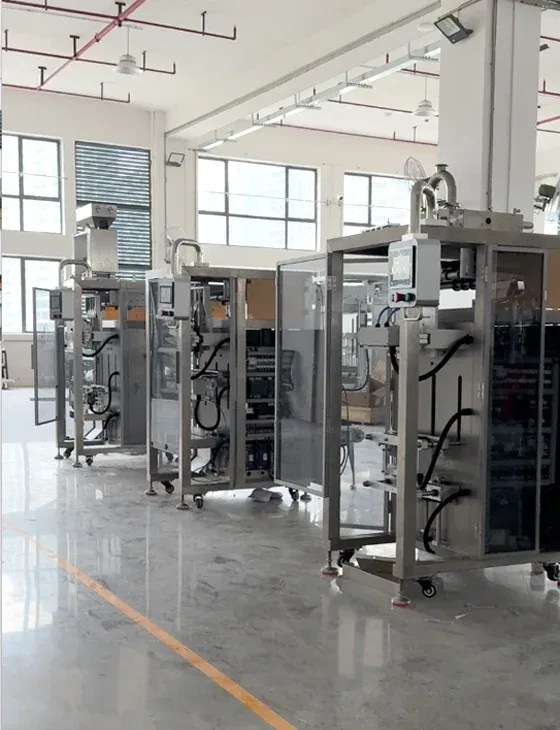
Select contact materials for the formulation and cleaning exposure together. The powder reference materials list 304 and 316L stainless steel contact-part options; this is not confirmation of the grade of every part in an order. Request a component-specific list for the hopper, dosing screw, outlet and product-contact seals, and match it to the proposed configuration.
The British Stainless Steel Association identifies aqueous chloride-containing solutions as a concern for pitting and crevice corrosion. Acidic conditions and higher temperature can increase that concern. A dry blend and a wet deposit are different exposures, so include the cleaning process in the materials review. A grade name alone does not establish suitability.
Ask the supplier to review product and cleaner specifications, concentration, temperature and contact time together. Include retained residues and access for cleaning. Confirm the proposed method and drying before refilling; an exterior machine photograph cannot establish the material or condition of its contact surfaces.
Make the requested documentation part of the quotation discussion. The parts list should distinguish product-contact components from the frame and covers, and identify nonmetal parts separately. Where a material question remains open, name the component and the information needed to close it. Use the spare and change-parts guide to clarify how the selected dosing tools and seals will be identified when replacements are needed.
Related reading: Stick Pack Machine Spare & Change Parts
Scroll horizontally to see all columns. Keyboard: focus the table and use the arrow keys.
| Review item | Information to request | Decision it supports |
|---|---|---|
| Hopper, screw and outlet | Specified material for each product-contact part | Confirm the proposed construction |
| Seals and other nonmetal contact parts | Material identification and compatibility review | Check product and cleaner exposure |
| Cleaning and drying | Method, chemistry and operating conditions | Define access and return-to-service checks |
| Replacement parts | Component identifiers and agreed materials | Preserve the selected configuration |
Check the film, fill path and opening together
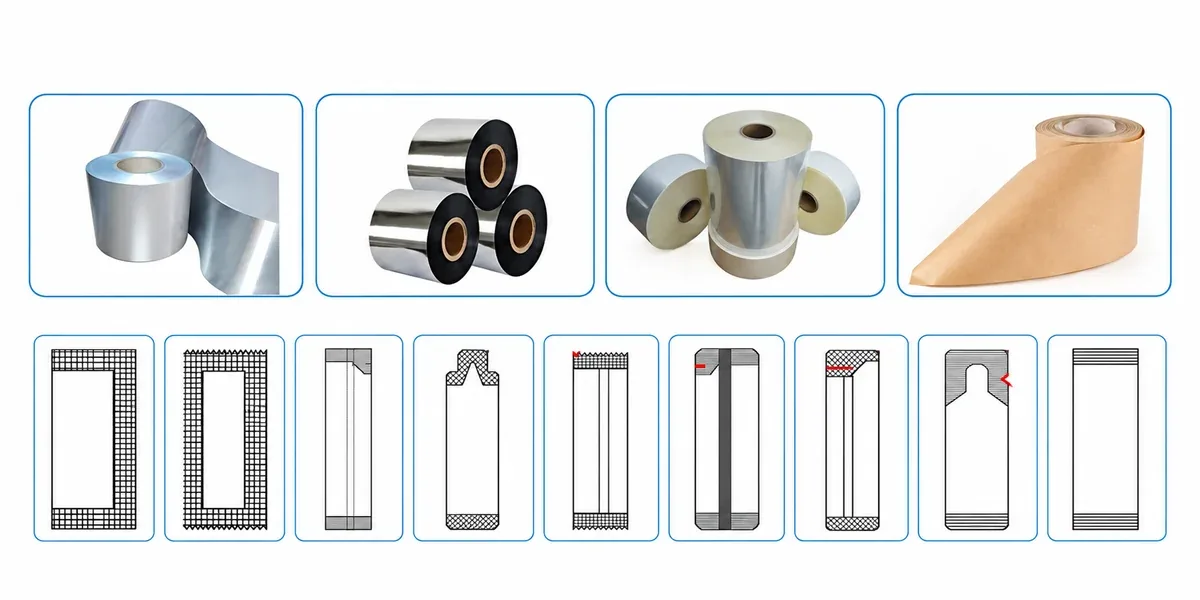
Review moisture protection and seal formation as separate questions. The film supplier should specify the laminate's barrier properties for the intended product and storage conditions. The machine trial checks how that film forms, fills and seals on the proposed arrangement. A pack that looks closed during a demonstration is not evidence of the product's full shelf life.
Watch where powder lands during filling and examine the end-seal area from each lane. If deposits are observed, ask which changes address the cause: the outlet position, filling sequence, feeding stability or a dust-control option. The published powder route includes dust extraction as an option; its scope and result need checking with your sample rather than describing it as eliminating all dust.
Give the equipment team the finished-pack drawing, film structure, roll specification and artwork revision. Ask for samples that let you check both closure and opening. The intended tear feature and opening should let the user empty the portion in the way your product specification describes. Keep an opening problem separate from a dosing or seal problem so each proposed change has a clear purpose.
If a different laminate, dose or pack size is introduced later, identify which checks need repeating. Do not transfer one film's sealing settings to another material without review. Keep the tested film identifier and settings with the pack samples. The film compatibility guide covers roll and sealing inputs; the format comparison explains where a wider sachet changes the equipment discussion.
Related reading: Stick Pack Film & Machine Compatibility; Stick Pack vs Sachet: Which Format to Use
Turn sample results into an electrolyte FAT
Use a sample trial to resolve configuration questions, then use the agreed factory acceptance test to check the ordered equipment. FAT means factory acceptance test: a review against the scope and criteria agreed for the order. Neither stage supplies a universal electrolyte acceptance standard. The buyer and supplier need to define the materials, conditions, measurements and evidence that answer this project's questions.
Before shipping, discuss the sample batch, film, quantity, handling, fees and the results to receive. Ask how the trial setup differs from the quoted machine, especially its dosing tools, lane count and feed arrangement. A useful result states what was run and under which conditions. Preserve limits and unresolved questions alongside the successful samples.
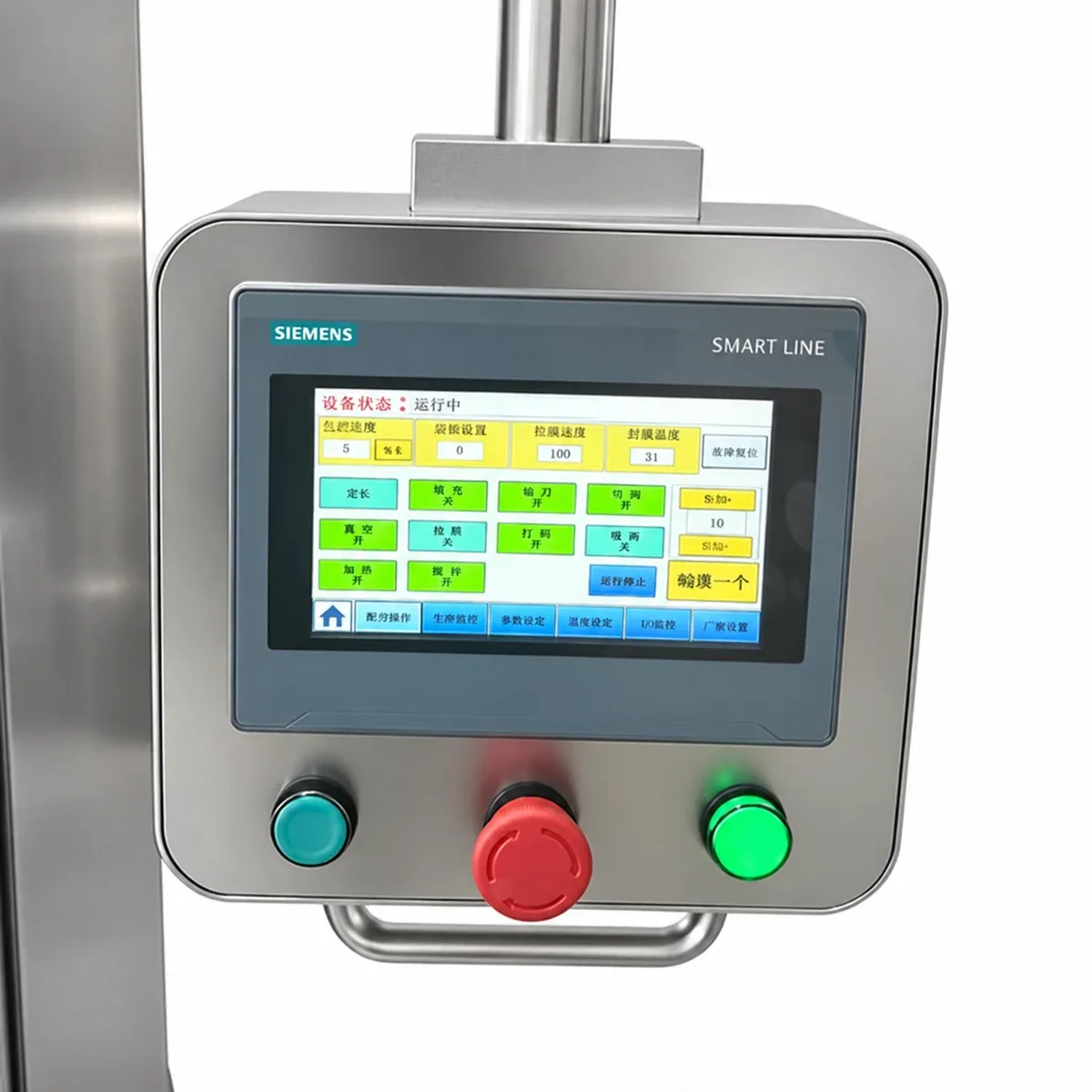
For the FAT plan, connect each concern to a record. Agree how net mass will be checked, which lanes and operating states will be sampled, what seal and opening checks apply, and how rejects are identified. Set the test duration, sample count and acceptance thresholds in the order documents. None is assumed here, and a demonstration video cannot replace an agreed written result.
Include the material and cleaning documentation requested earlier in the handover list. Keep configuration changes, deviations and any rechecks traceable to the same product and film revisions. If an exposure condition or product check cannot be reproduced at the factory, agree the remaining site check and its owner. This prevents an open issue from disappearing into a general statement that the machine has passed.
Related reading: Stick Pack Machine Sample Testing; Stick Pack Machine FAT Checklist
Scroll horizontally to see all columns. Keyboard: focus the table and use the arrow keys.
| Question | Record to agree | Keep with the result |
|---|---|---|
| Does the blend feed through the proposed arrangement? | Observations at the agreed hopper and restart conditions | Sample identity, exposure history and setup |
| Are portions acceptable by lane? | Net-mass results against the agreed criteria | Lane identity, operating state and settings |
| Are seals and openings acceptable? | Specified pack checks and defect records | Film revision and retained pack samples |
| Is the selected construction documented? | Contact-part list and cleaning review | Configuration revision and outstanding items |
| What remains unresolved? | Deviation and recheck records | Owner, next action and acceptance status |
When this does not apply
A dry electrolyte application brief does not select a pump for a premixed liquid, establish a consumer hydration dose or determine whether a product can carry a medical claim. Liquid and gel products need their own filling assessment. If the product has a regulated or clinical use, its formulation, label and quality requirements need the responsible product and regulatory team's review before they become equipment acceptance inputs.
The tables here are proposed ways to organize project information. They do not demonstrate that a specific blend has been tested or that a chosen material resists every cleaning exposure. Where evidence is missing, keep the selection open and obtain the sample, material specification or compatibility review needed to decide. Do not replace a product-specific restriction with a generic machine description.
Use related pages for distinct decisions: the nutraceutical application covers broader formulation changeovers; the powder machine page explains the reference configuration; the film guide details the roll inputs. For an electrolyte order, the useful next step is a brief that connects the blend's handling history with the proposed contact parts and trial checks. The project information table below collects those inputs for discussion.
Related reading: Liquid Stick Pack Machine for Gels; Nutraceutical Stick Pack Machine
Method and sources
This application guide combines the published powder configuration, sample-testing process and FAT guide with general stainless-steel guidance from the British Stainless Steel Association. Original equipment process descriptions inform the handling questions. The comparison tables are selection advice, not results from an electrolyte production trial.
The association reference supports the discussion of contact surfaces and cleaning exposure. It does not approve a machine or establish product compliance. Formulation-specific storage limits, film barrier requirements and acceptance criteria come from the buyer's product specifications and the agreed project review. Sources were reviewed on October 9, 2026.
Further reading: British Stainless Steel Association — food-processing materials and cleaning guidance (reviewed October 9, 2026)
Common Questions
What is an electrolyte stick pack?
It is a narrow single-portion package for an electrolyte formulation. For a powder project, the machine forms the film, meters the dry product, closes the seals and cuts the pack. The pack drawing and product specification define the actual format and portion.
What is an electrolyte stick pack made of?
There are two specifications to distinguish: the powder formulation and the packaging laminate. Identify the mineral salts and other ingredients through the product specification, and obtain the film structure from the film supplier. Neither follows from the name “electrolyte stick pack.”
What types of electrolyte packets can a project specify?
A project can evaluate a narrow stick or a wider sachet, with the required dose, seal layout and opening written into the drawing. Select the forming and sealing arrangement for that drawing; do not assume a machine quoted for one format also produces the other.
How does a powder electrolyte stick pack differ from a liquid pack?
The powder route evaluates dry-product feeding and dosing. A liquid pack requires a liquid filling assessment, including viscosity, filling conditions and the pump/nozzle arrangement. Confirm which product form reaches the filler before choosing equipment.
How does an electrolyte stick pack differ from a sachet?
A stick is a narrow format; a sachet can be wider and use a different seal layout. The names overlap in commercial descriptions, so compare dimensioned pack drawings. Review usable space, filling access, opening and the required forming tools.
How does a stick pack project differ from a bottled electrolyte drink project?
A dry-powder stick project evaluates powder handling, flexible-film forming and pack sealing. A ready-to-drink bottle project involves liquid filling and a bottle closure. The required equipment and product checks should be defined for the chosen format.